Tarsila do Amaral
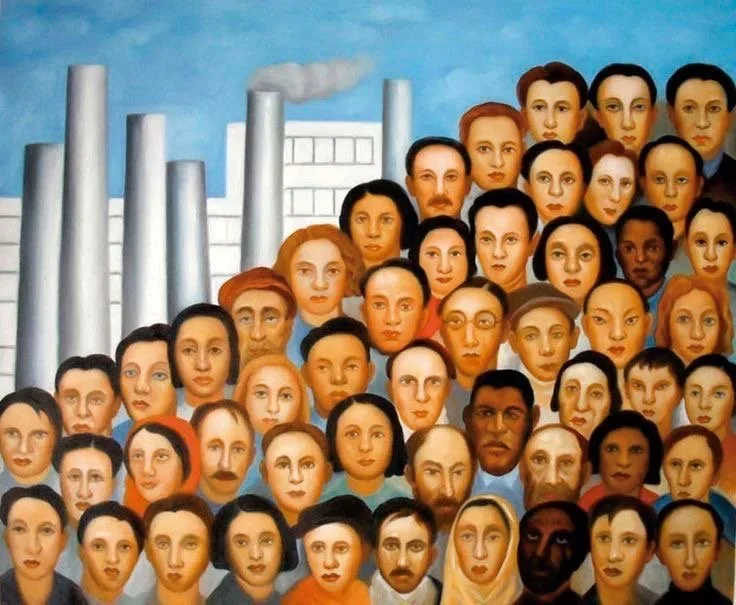
Workers, 1933 - Tarsila do Amaral
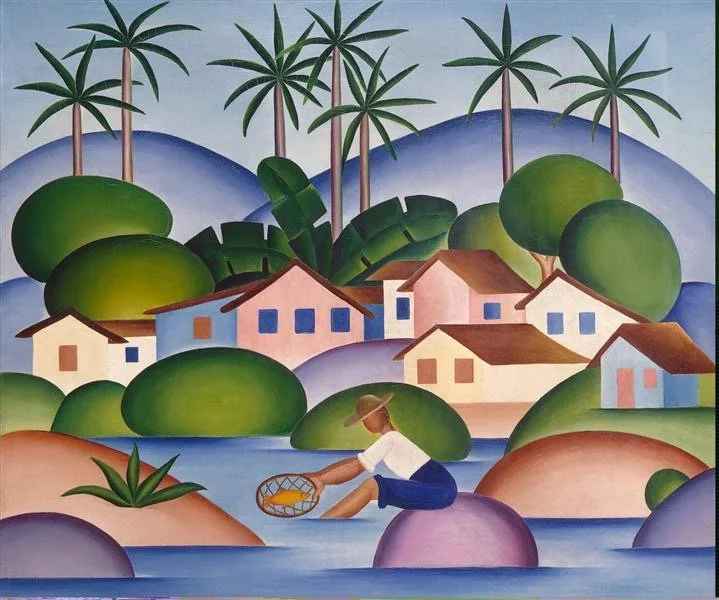
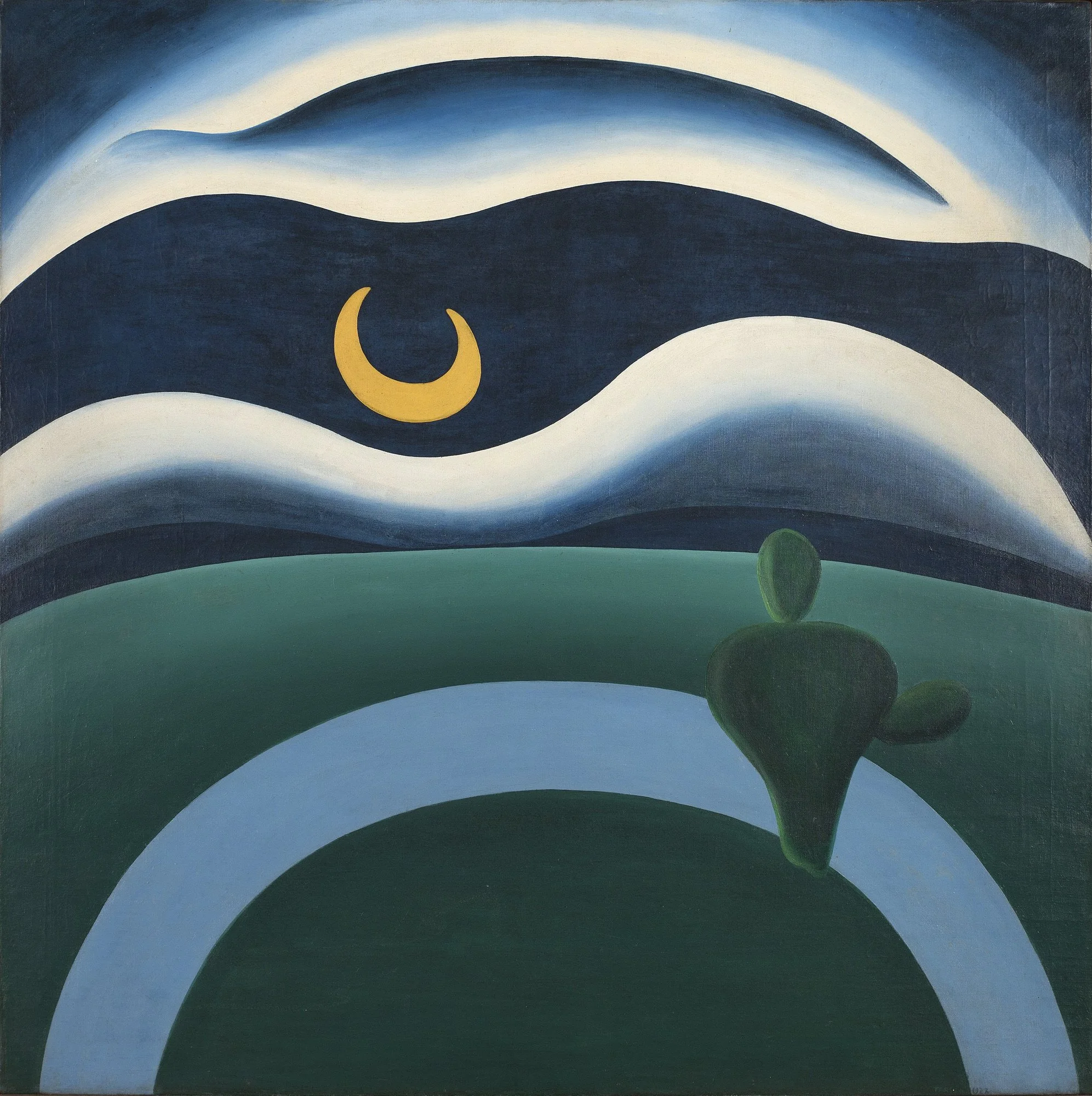
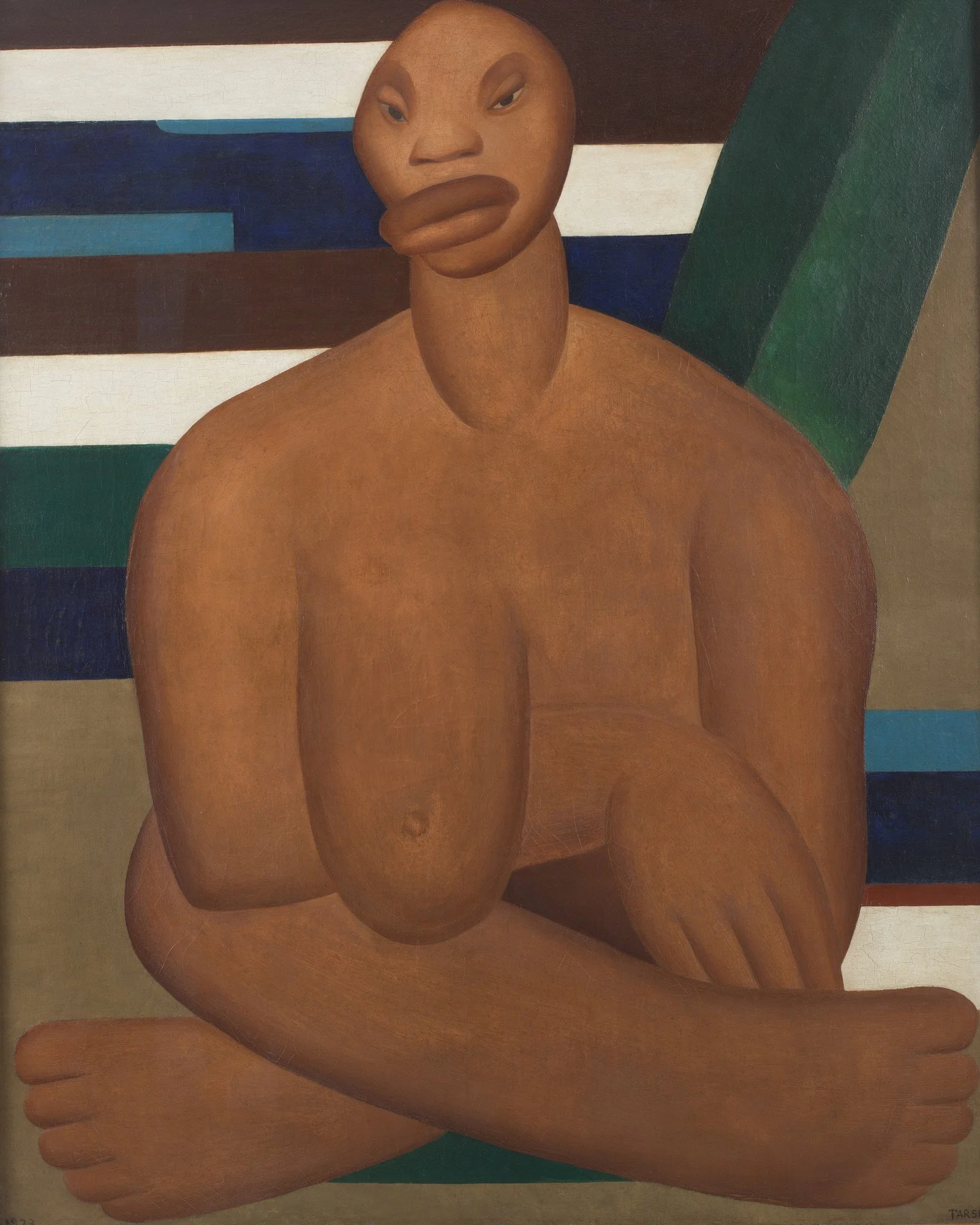
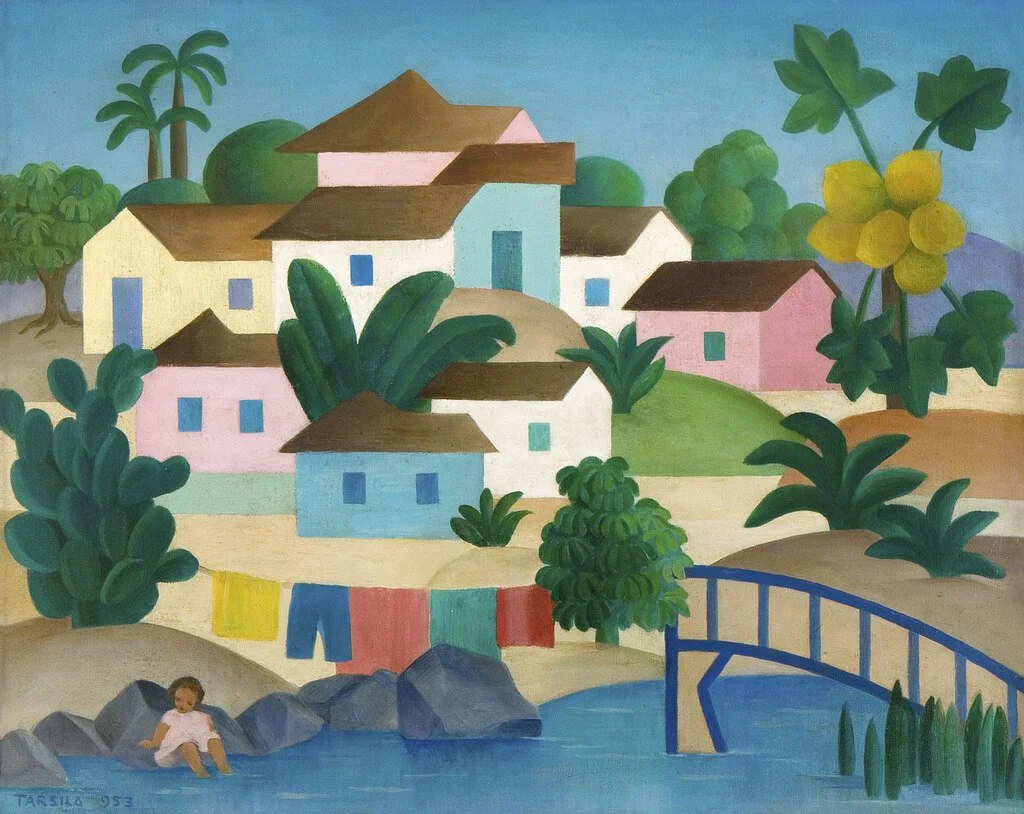
Tarsila do Amaral (1886–1973) stands as one of the most seminal figures of Brazilian modernism, a movement that sought to redefine national identity through the lens of art, culture, and innovation. Her work emerged during a period of profound cultural and social transformation in Brazil, a time when artists, writers, and intellectuals were striving to articulate a distinctly Brazilian aesthetic one that both embraced modernist experimentation and celebrated the country’s unique landscapes, peoples, and traditions. Drawing on the vibrant rhythms of Brazilian life, Tarsila synthesized the innovations of European avant-garde movements, including Cubism, Futurism, and Surrealism, with a deeply rooted sensibility attuned to her homeland. The result was a body of work at once daring and intimate, playful yet profound, in which the familiar contours of Brazilian reality are rendered with bold colors, geometric forms, and lyrical abstraction.
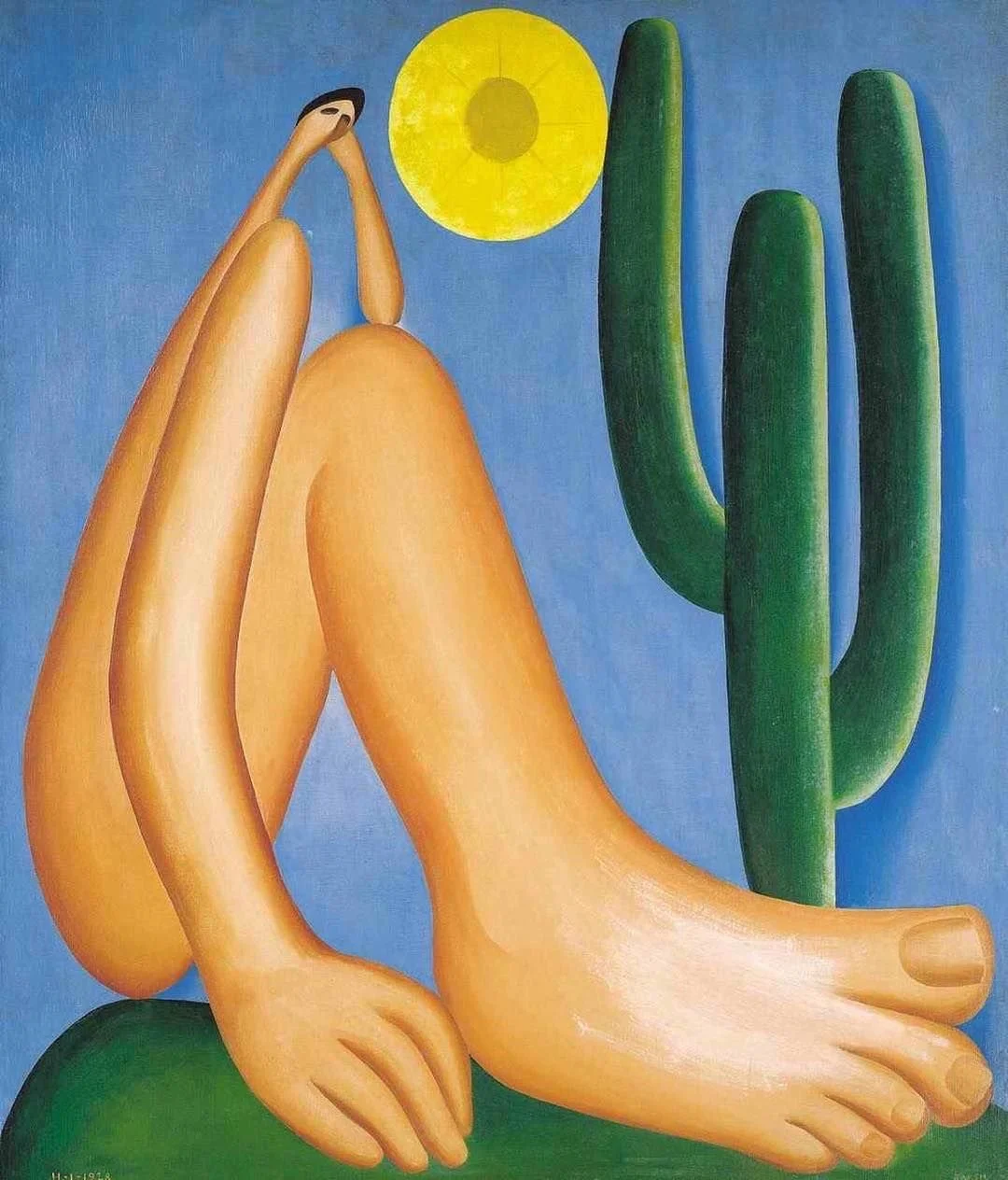
Although her career spanned more than six decades, it was the early modernist period, roughly the 1920s to the 1930s, that produced her most iconic and influential works. Paintings such as Abaporu and Antropofagia not only exemplify her mastery of form and color but also encapsulate a radical vision of Brazilian identity: one that is self-confident, inventive, and unafraid to challenge prevailing cultural hierarchies. In these works, the landscape itself becomes a living character, populated by figures and motifs that oscillate between the fantastical and the quotidian, capturing the spirit, humor, and sensuality of Brazil.
Tarsila’s artistic achievements extend beyond technique and style; her work participates in a broader cultural dialogue, asserting a modern Brazil on the global stage while remaining profoundly local in its inspiration. Today, her paintings are celebrated not merely as aesthetic objects but as cultural landmarks, visual testaments to a moment when Brazilian modernism claimed its voice and vision. They invite viewers to experience the country as she saw it vivid, dynamic, and endlessly inventive a Brazil that is at once rooted in its people and open to the possibilities of modern art.